Ceramic Fiber vs Glass Fiber for High-Temperature Insulation
Where each fiber belongs
Both ceramic (alumina-silicate) and glass (E-glass / C-glass) fibers insulate, but their service ceilings are very different.
Glass fiber textiles
- Continuous use up to ≈ 550°C (standard E-glass); treated or high-silica grades reach higher.
- Good for lagging, welding blankets, expansion-joint cloth and general thermal wraps.
- Lower cost, easier to handle; remains flexible after repeated heating.
Ceramic fiber textiles & blanket
- Continuous use up to ≈ 1000–1260°C depending on grade.
- Used in furnace linings, kiln seals, molten-metal splash protection and high-temperature gaskets.
- Higher cost; choose when glass fiber would soften or melt.
Selection rule
If the surface stays below ~500°C, glass fiber is the economical choice. Above that, specify ceramic fiber. For thermal shock and molten-metal contact, ceramic fiber is mandatory.
See our product catalog for ceramic fiber blanket, ceramic textiles and glass fiber cloth.
Frequently Asked Questions
Ceramic vs glass fiber insulation — which should I use?
Can ceramic fiber replace glass fiber?
Is glass fiber insulation safe to handle?
Related Products
All products →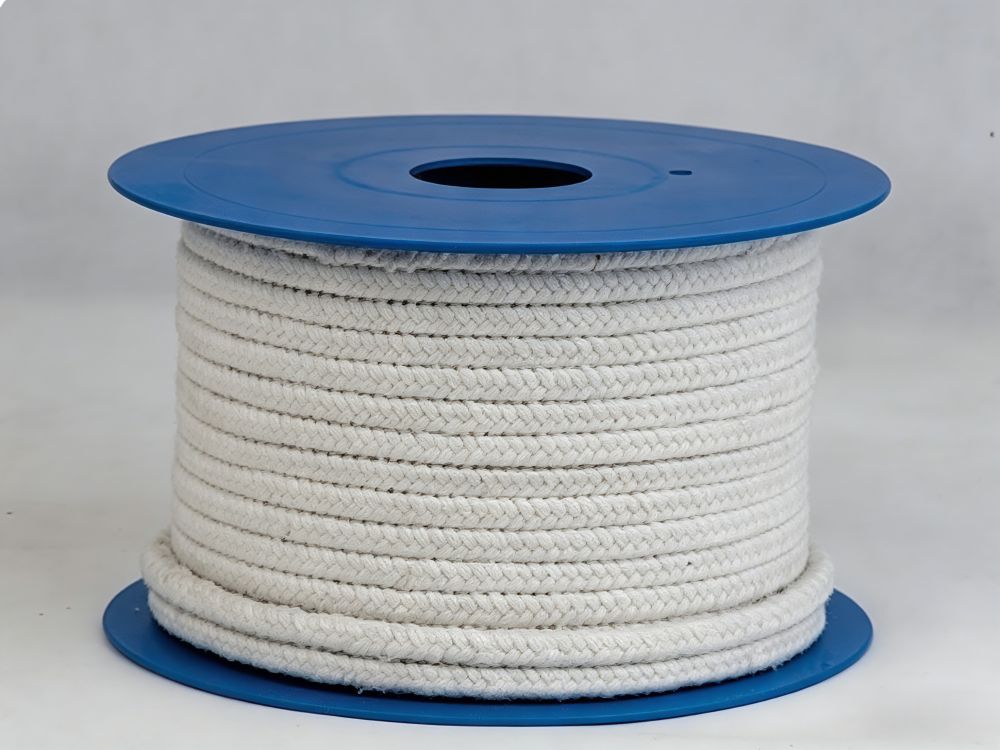
Ceramic Packing
Made mainly from premium ceramic fiber, it offers high-temperature resistance, chemical corrosion resistance,…
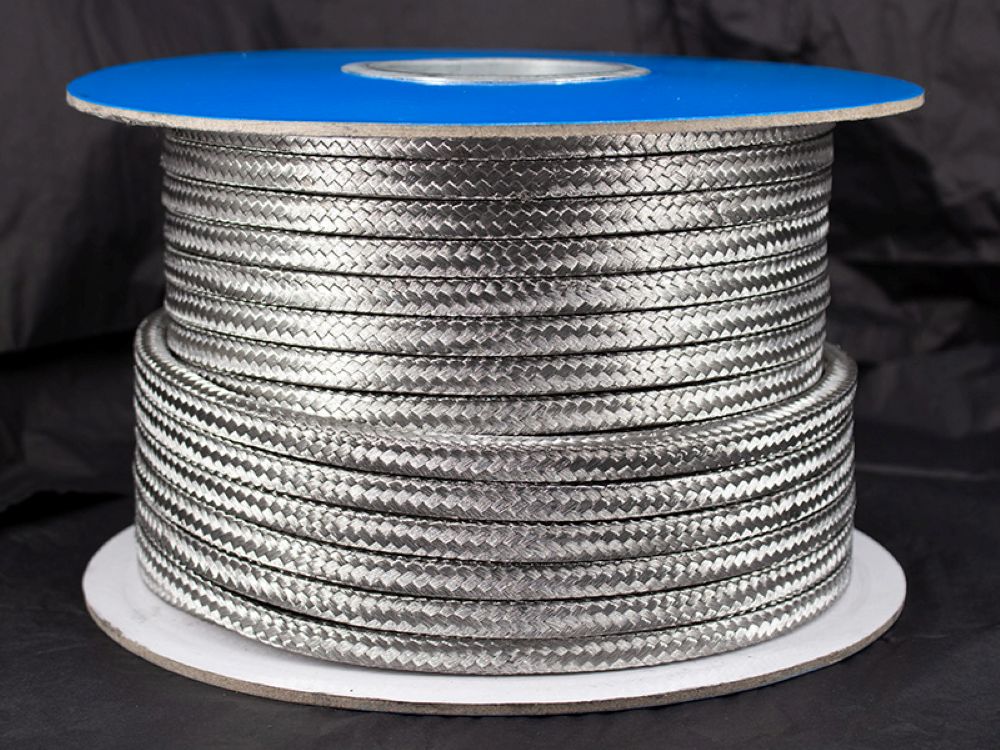
High-temperature Steam Special Graphite Packing
The high-temperature steam special graphite packing is heart-braided from graphite yarn with…
Graphite Sheet
The Jinfangyuan-series pure graphite sheet is made from natural high-purity flake graphite by chemical and…
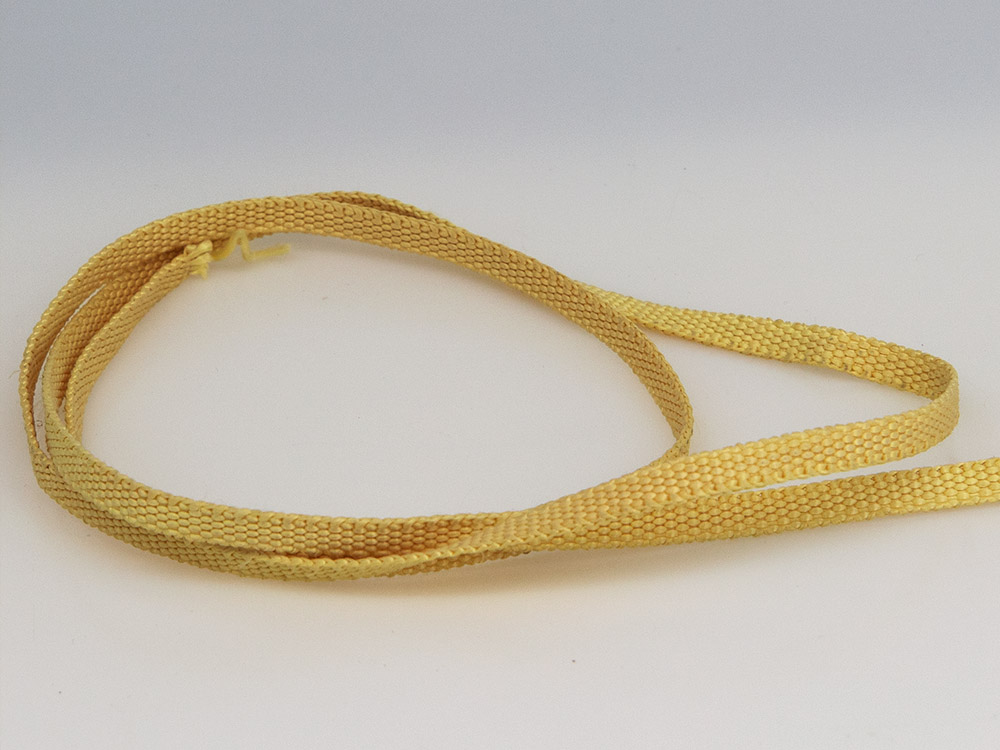
Aramid Tape
Aramid tape is a high-performance functional tape made from aramid fiber by special weaving. Inheriting…
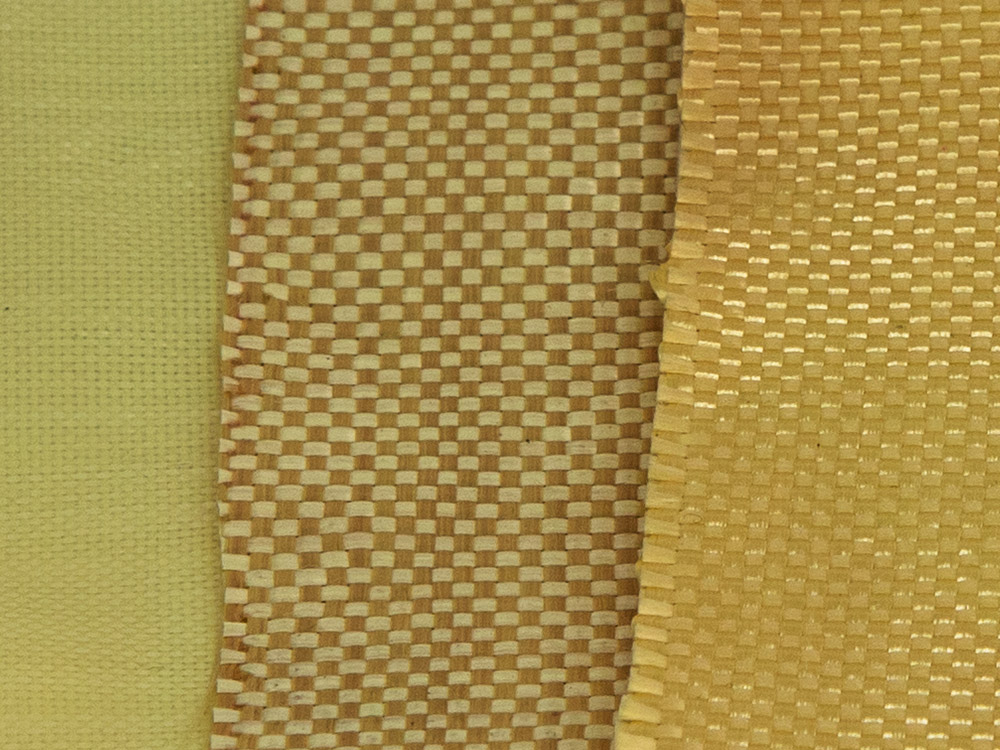
Aramid Fabric
Aramid fabric is a high-performance synthetic fiber material with excellent comprehensive properties: high…

TYF003 Electronic Insulation Fiberglass Fabric
Electronic fiberglass insulation fabric mainly uses the E-glass fiber yarns, weaved by plain. For it's…
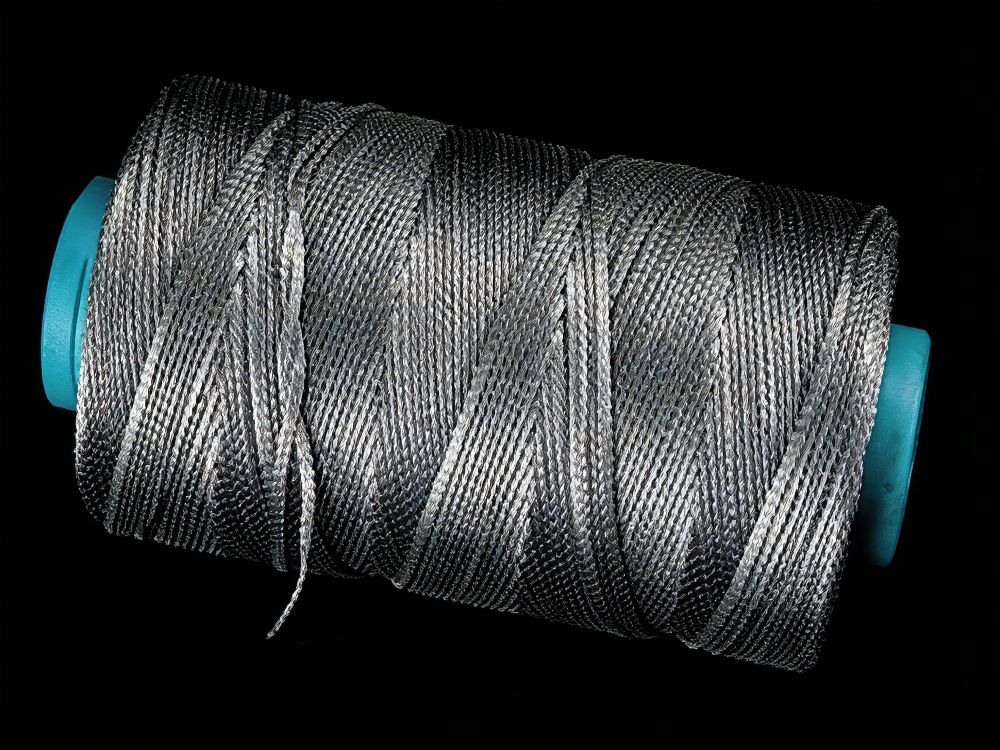
Inconel Wire Outer Hook-braided Non-burning-loss Graphite Tape
External hook-braided metal-wire graphite tape produced by advanced single-Inconel-wire crochet-mesh covering…
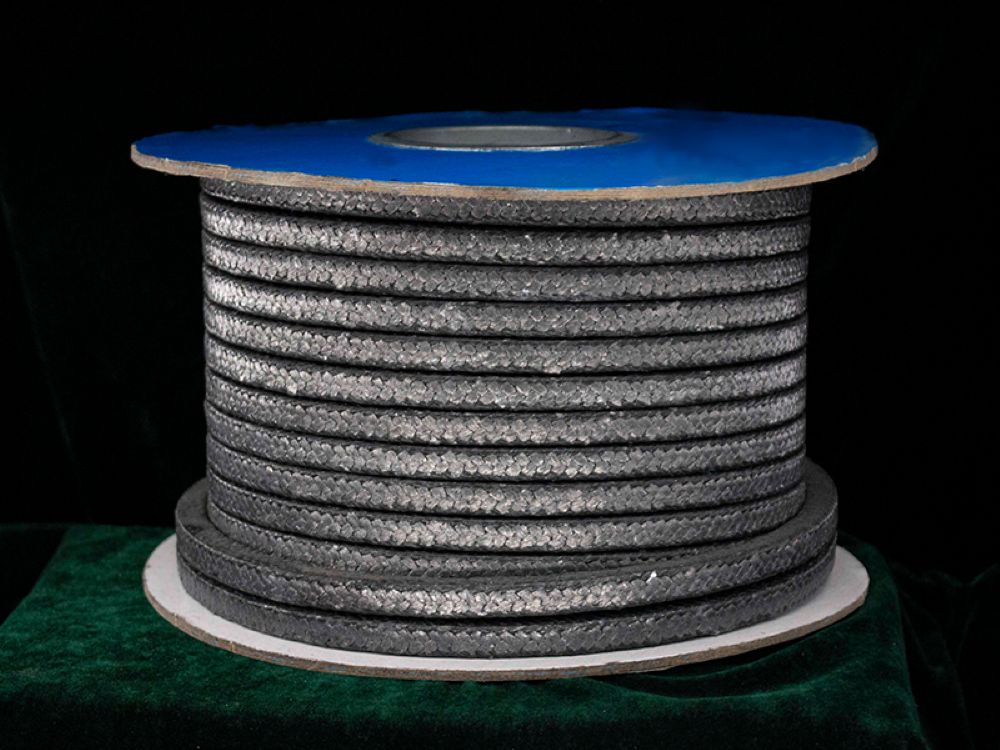
High-carbon Corner-yarn Graphite Packing
Braided from high-carbon fiber corner yarn and flexible graphite yarn. The high-carbon fiber is impregnated…