How to Choose the Right Gland Packing
Matching the packing to the service condition
Braided gland packing seals the gap between a rotating or reciprocating shaft and the pump or valve housing. The right choice depends on three variables: the sealed medium, the temperature, and the surface speed (shaft velocity). Selecting against all three prevents premature leakage, excess gland load and premature shaft wear.
1. Identify the sealed medium
- Water, seawater, mild chemicals — PTFE-impregnated or aramid/PTFE packing gives low friction and long life.
- Steam and hot oils — graphite-impregnated carbonized fiber or flexible graphite packing resists oxidation at high temperature.
- Abrasives / slurries — aramid (Kevlar-type) fiber packing withstands the cutting action of suspended solids.
- Food or pharma — PTFE with food-grade lubricant only; confirm certification for the target market.
2. Check the temperature ceiling
| Packing family | Typical continuous limit |
|---|---|
| PTFE / aramid-PTFE | ≈ 260°C |
| Graphite-impregnated carbon | ≈ 350°C (oxidizing) |
| Pure flexible graphite | ≈ 450°C (non-oxidizing) |
3. Check shaft speed
High surface speed demands low-friction yarn (PTFE, graphite) and adequate cooling/lubrication. For very high speeds, consider a mechanical seal instead of packing.
4. Sizing and installation
Cut each ring to the exact stuffing-box depth, stagger joint offsets by 90–180°, and tighten gradually to the lowest gland load that stops leakage. Over-tightening is the most common cause of shaft scoring.
Need a specific recommendation? Send the medium, temperature, pressure and shaft speed to ty@tyindustrias.com and our team will propose a part number.
Frequently Asked Questions
How do I match packing to my fluid and temperature?
What packing should I use for abrasive slurries?
My packing leaks after a few weeks — what is wrong?
When should I choose braided over die-formed graphite rings?
Related Products
All products →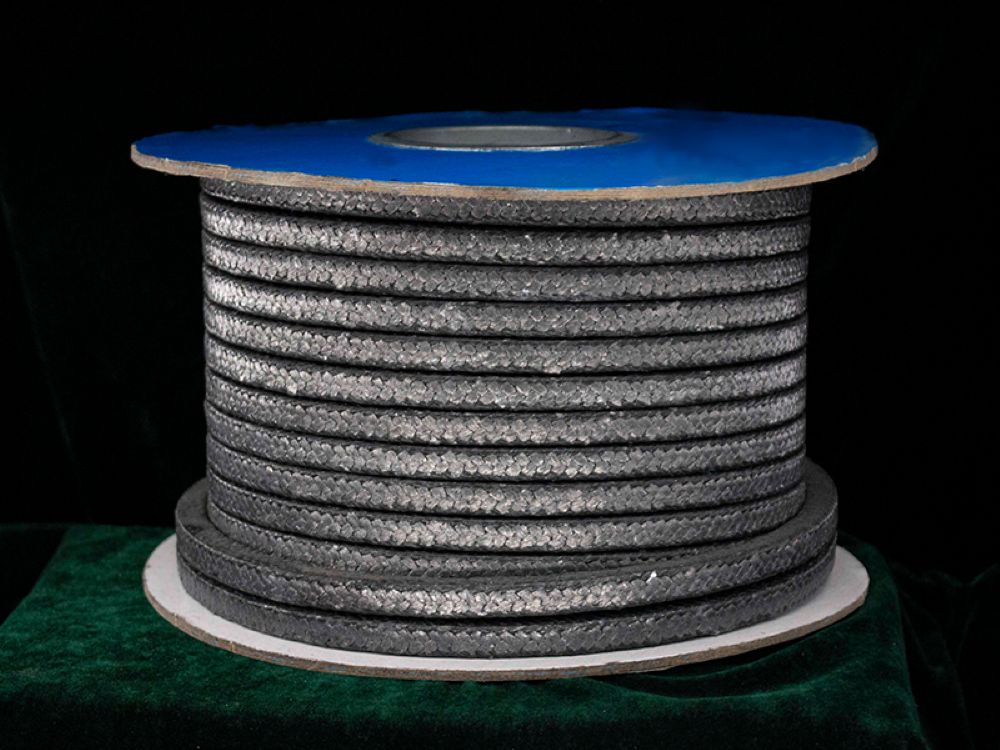
High-carbon Corner-yarn Graphite Packing
Braided from high-carbon fiber corner yarn and flexible graphite yarn. The high-carbon fiber is impregnated…
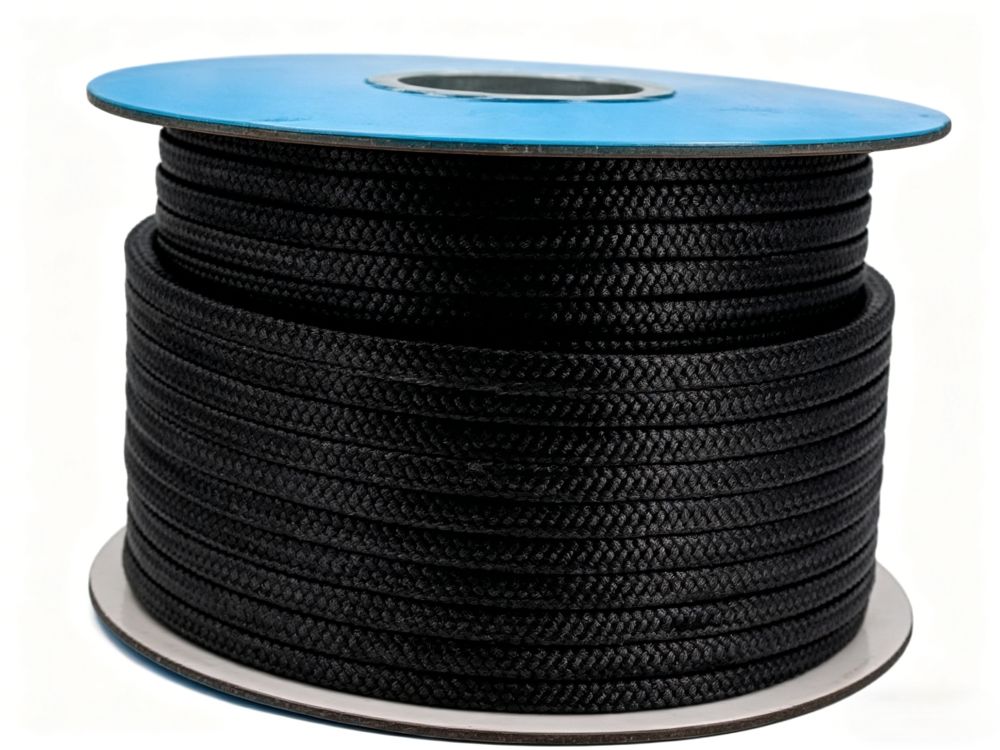
Graphite-coated Carbon Packing
Made by heart-braiding pre-oxidized carbon fiber impregnated with special lubricant and blocking agent, then…
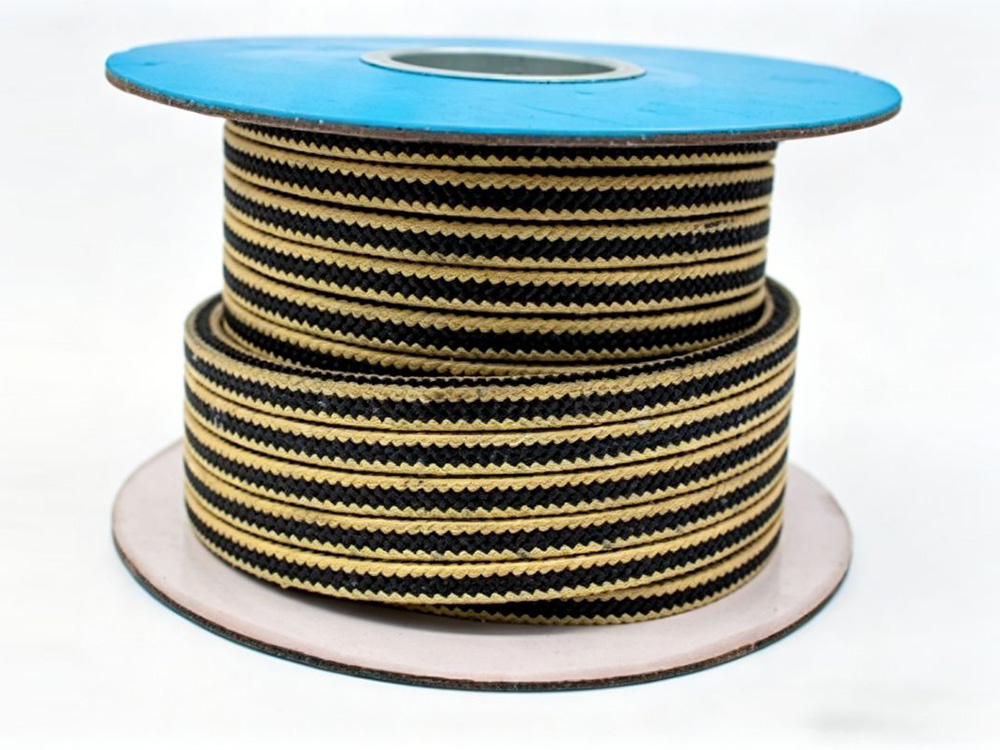
Aramid Corner-yarn Graphite PTFE Braided Packing
Braided from special wear-resistant aramid fiber corner yarn and graphite-filled PTFE yarn, effectively…
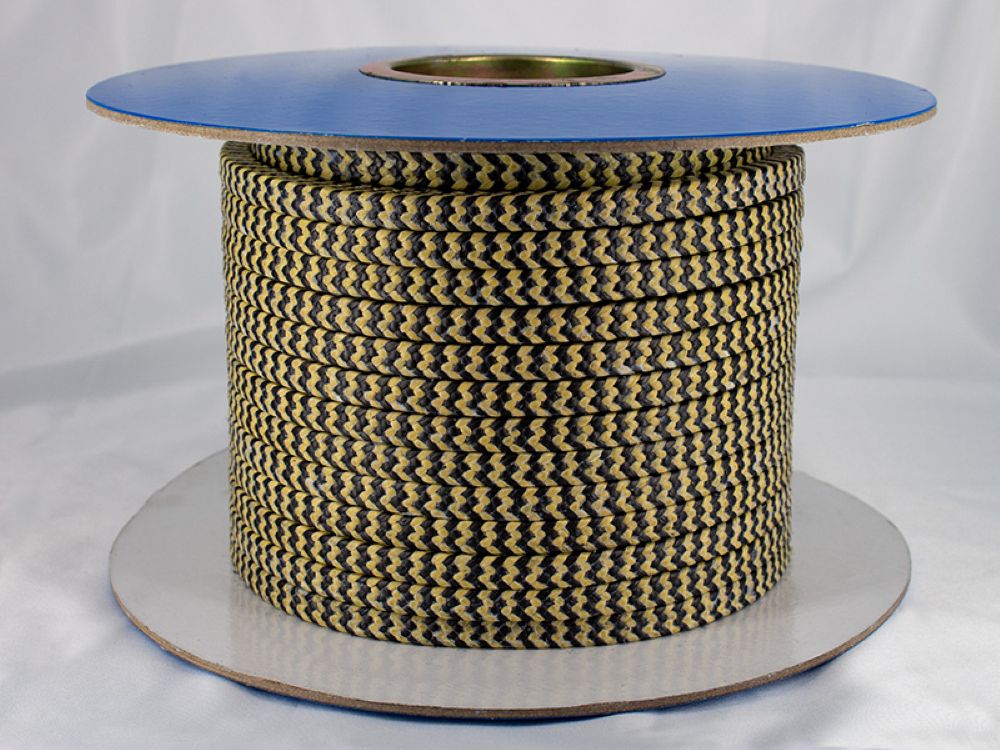
Aramid Interwoven Graphite PTFE Braided Packing
Braided by interweaving special wear-resistant aramid fiber with graphite-filled PTFE yarn, effectively…
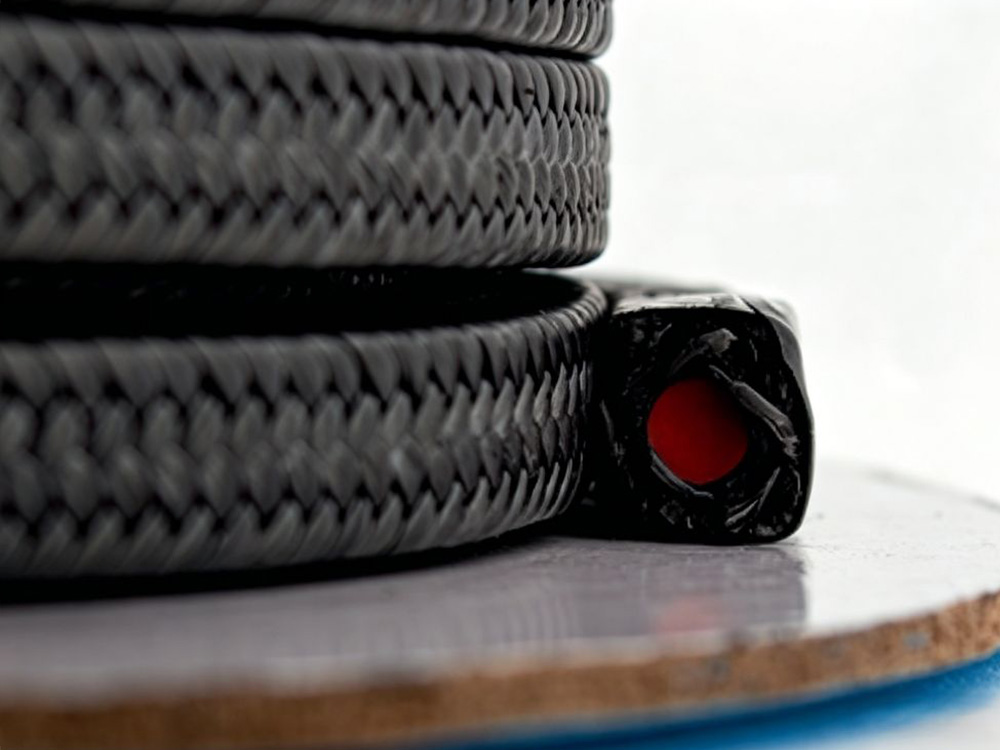
Graphite PTFE Braided Packing with Silicone Core
Braided from graphite-filled PTFE yarn with a central silicone core and a little dimethyl silicone oil…
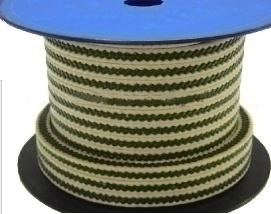
TYP008 Graphited PTFE Packing with Aramid /Kevlar fiber in corners
Graphited PTFE Packing with Aramid /Kevlar fiber in corners DESCRIPTION: Multi-yarn packing, the corners of…
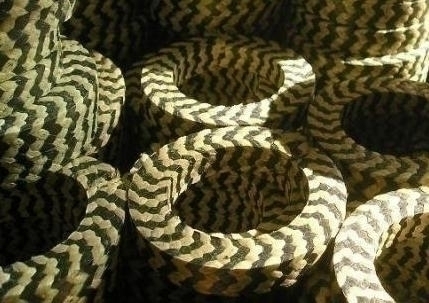
TYP009 Graphited PTFE & Aramid in Zebra Braided Packing
DESCRIPTION: Multi-yarn in zebra braided packing consisting of graphite PTFE CGFO yarns and araimid, Compared…
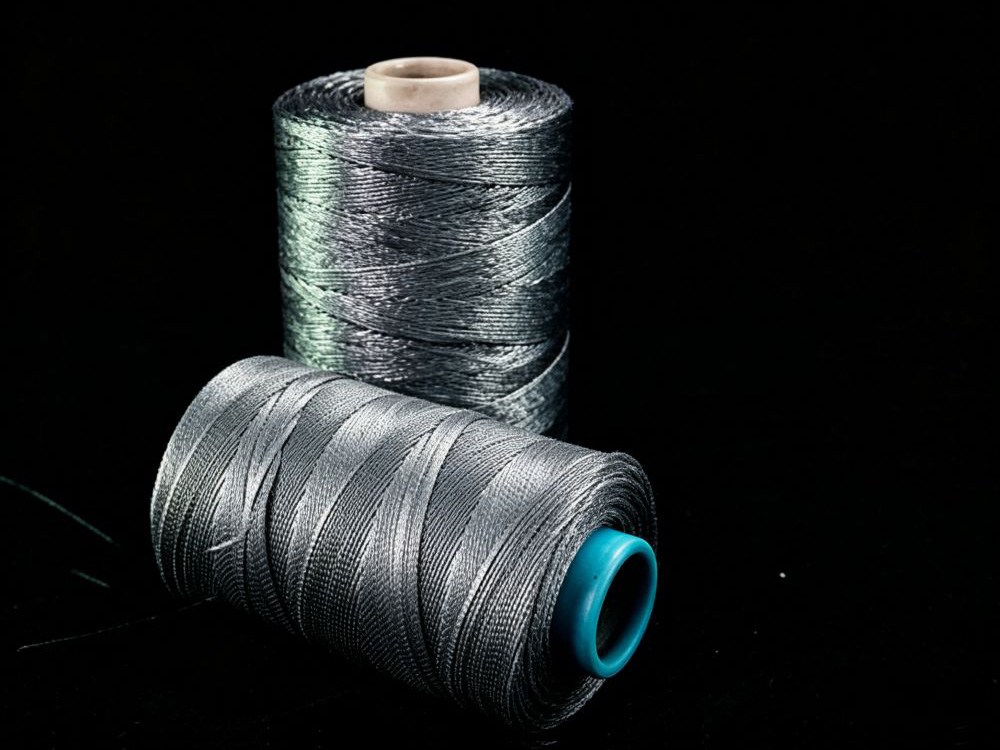
Standard Flexible Graphite Yarn
Standard flexible graphite yarn is braided from expandable graphite, with sulfur content ≤ 1500 ppm and…